
Building Smarter Skies: How Drone Training is Reshaping Aviation Careers
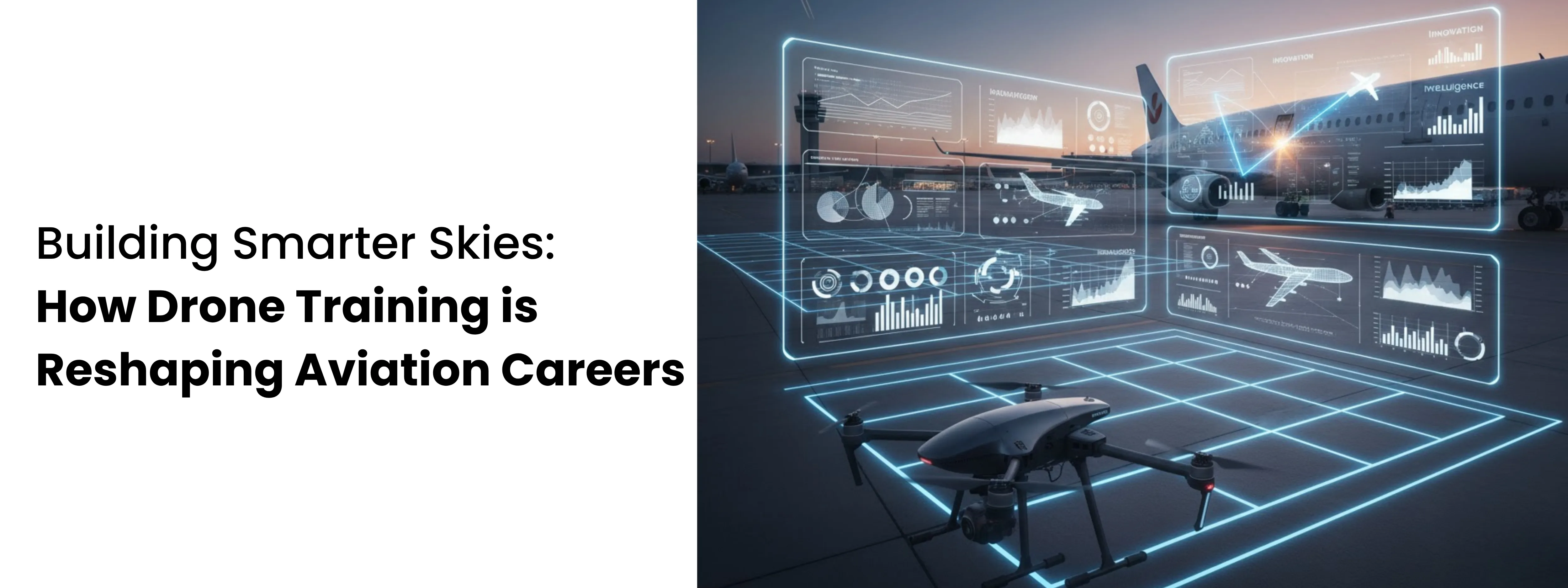
The aviation industry is undergoing a remarkable transformation, one powered by automation, intelligence, and innovation. At the center of this shift stands drone technology, a field redefining how we inspect, manage, and maintain aircraft and airspace systems.
What once required teams of engineers and extensive downtime can now be achieved with precision drones, equipped with sensors, imaging systems, and AI-based analytics. For aviation professionals, this evolution has opened new horizons and advanced drone training has become the passport to the future of flight operations.
1. From Remote Pilots to Aviation Technologists
The role of a drone operator is no longer limited to remote control flying. Today’s drone professionals are aerial engineers, data specialists, and problem solvers.
Through specialized drone training programs, such as those offered at Western India Institute of Aeronautics (WIIA), learners gain expertise not only in flight maneuvers but also in payload integration, mission design, and data interpretation.
This multidisciplinary learning approach transforms students into aviation technologists capable of handling real-world challenges. From aircraft inspection to safety surveillance and aerial mapping.
As drones continue to expand their presence across aviation operations, trained professionals are in high demand to bridge the gap between technology and traditional flight systems.
2. The Growing Role of Drones in Aircraft Maintenance
Aircraft maintenance and inspection are among the most critical functions in aviation, where accuracy, safety, and time efficiency matter the most. Drones have brought a revolution to this process by providing high-resolution imagery, 3D scans, and AI-powered defect detection.
Advanced drone pilots can assess aircraft surfaces, identify structural issues, and generate automated maintenance reports within minutes.
For MROs (Maintenance, Repair, and Overhaul organizations), this means faster inspections, reduced downtime, and improved operational safety.
Institutes like WIIA are preparing the next generation of professionals with the technical and analytical training needed to manage these drone-based inspection systems effectively, a skill now highly sought after by airlines and aviation service providers.
3. The Intersection of Drone Technology and Data Intelligence
Modern aviation runs on data and drones are among its most powerful data generators.
Through advanced sensors like LiDAR, infrared, and hyperspectral cameras, drones collect critical information about aircraft structures, airport environments, and even weather patterns.
However, the true value lies in processing and analyzing this data.
Drone training at WIIA focuses on converting aerial data into actionable insights using specialized software and AI-driven tools. Students learn how to visualize, interpret, and apply data in ways that improve operational efficiency and decision-making.
This combination of technical flying skills and analytical thinking creates professionals who can drive the digital transformation of aviation.
4. Global Career Opportunities for Drone-Certified Professionals
As drone technology continues to integrate into mainstream aviation, career opportunities are expanding across the globe.
Certified drone professionals are now employed in roles such as:
- Aviation Drone Inspection Engineer
- Airfield Surveillance Specialist
- Aerial Data Analyst
- Drone Operations Manager
- UAV Safety and Compliance Officer
Beyond aviation, the same skills are highly transferable to industries like infrastructure, logistics, defense, and agriculture, giving professionals a competitive edge in multiple sectors.
With international regulations evolving to accommodate UAV operations, trained drone pilots with certified credentials are finding career opportunities that span continents.
5. Preparing for the Future of Aviation with WIIA
At the Western India Institute of Aeronautics, drone training goes far beyond theory.
Students engage in live simulations, real-world inspection missions, and data-driven projects, gaining exposure to both commercial and industrial drone applications.
The program’s curriculum is aligned with DGCA regulations and global aviation standards, ensuring that every graduate is ready to operate with professionalism and precision.
More importantly, WIIA fosters an environment of innovation, where students don’t just learn how to fly drones, but how to use drones to redefine the future of aviation.
Graduates leave with confidence, technical mastery, and a clear understanding of how drone technology contributes to safer, smarter, and more sustainable skies.
Conclusion
Drone technology has evolved from a niche innovation into an essential component of modern aviation.
As aircraft systems become smarter and airspaces more connected, the need for certified drone professionals will continue to rise globally.
Through advanced drone training, institutions like WIIA are shaping a workforce that blends aeronautical knowledge, digital expertise, and technical precision, the exact combination required to build the skies of tomorrow.
For students and professionals ready to embrace the next frontier, drone certification isn’t just a course, it's a launchpad for a career that’s helping aviation reach new heights.